Airport Architect Passenger Flow & Terminal Layout
Design the path from curb to cabin so every flight fills on time.
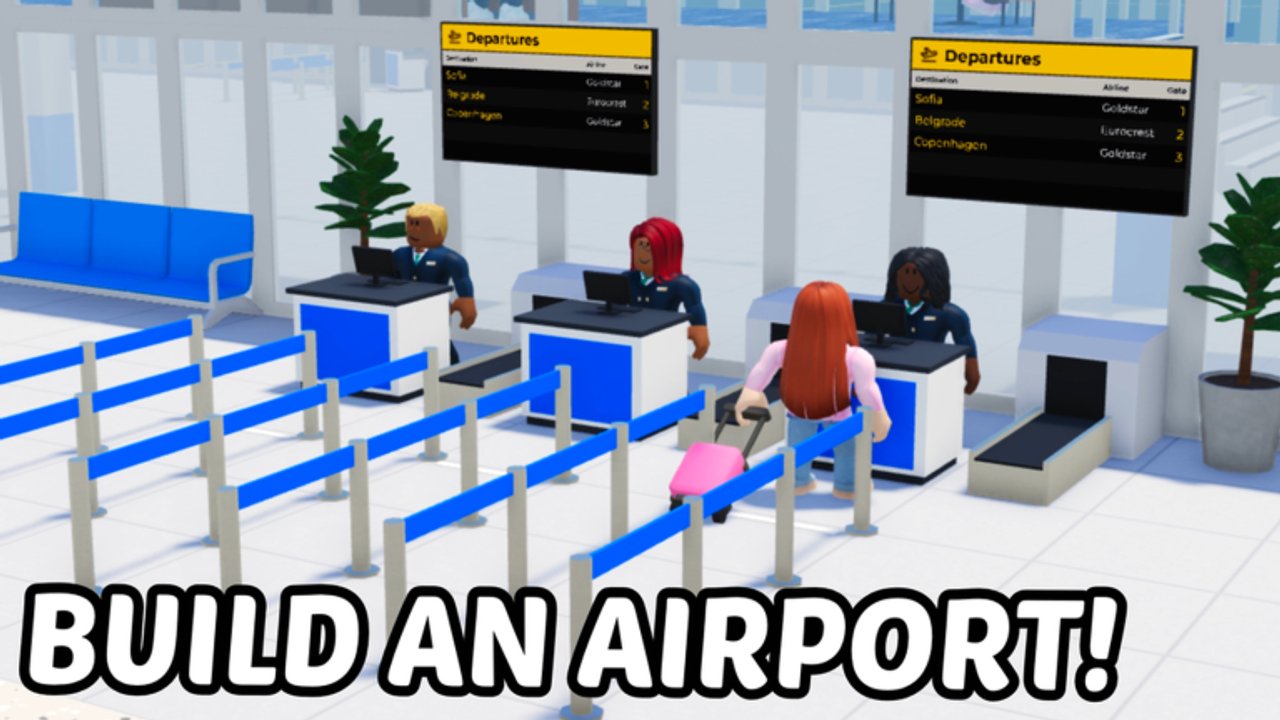
Passenger flow is the core skill in Airport Architect. Pretty roofs do not pay the bills — completed journeys do. This guide explains how to plan capacity, avoid bottlenecks, and prepare for hotels and arrivals without rebuilding your entire terminal.
The canonical departure path
For departing passengers, think in one sentence:
Entrance → check-in → (optional hotel) → security → amenities / hold rooms → gate → aircraft.
Anything that breaks that chain produces “Passengers blocked and can’t reach gates” style warnings. Inbound flows after the Arrivals update add passport control and baggage claim; see the Arrivals Guide for the reverse journey.
Zoning your terminal
Landside public zone
Includes entrance, ticket desks, hotel lobby, and shops that must remain accessible before security. Keep widths generous. Crowding here delays every later system.
Security filter
Treat security as a one-way valve. Mark the approach and exit clearly. Wrong-facing scanners are a frequent cause of path errors discussed in Fix Passenger Paths.
Airside sterile zone
After security, passengers may browse amenities, wait at seating, or walk travelators toward gates. This is where monorail stations later connect remote concourses (Monorail Guide.
Desk and lane math
| Gates open | Check-in desks (min) | Security lanes (min) | Notes |
|---|---|---|---|
| 1 | 1–2 | 1 | Fine for tutorial |
| 2–3 | 3–4 | 2 | Avoid lobby pileups |
| 4–6 | 5+ | 3 | Split into islands |
| 7+ | Multiple halls | 4+ | Consider second terminal |
These are practical starting ratios from community mega builds, not hard-coded game formulas. Watch queue length for two full flight cycles before expanding cosmetics.
Queue design tips
- Leave empty floor tiles in front of every desk.
- Avoid placing decorative rails that look open but block NPC radii.
- Point desk interaction sides toward the queue, exits toward security.
- Use identical orientation on a whole bank of desks so pathfinding stays predictable.
Amenities without breaking flow
Coffee stalls, bakeries, restrooms, and seating raise ratings when reachable, but they become traps if they create cul-de-sacs. Place amenity pockets along the main corridor rather than forcing a detour through a maze. Rankings live on the amenities tier list.
Multi-floor terminals
Escalators and elevators (rideable elevators arrived with Arrivals content) only help if both ends connect usable floor plates. A beautiful second story with no vertical link is just a museum. When stacking:
- Finish a working ground-floor path first.
- Duplicate the critical chain upstairs only if gates upstairs are actually used.
- Keep hotel rooms and desks landside / before security even on upper floors.
Preparing for hotels
Hotel desks must sit before security. If you already built a tight landside, carve a lobby wing instead of jamming desks into the security queue. Full placement rules are in the Hotel Guide.
Preparing for arrivals
Inbound passengers need space that does not collide with outbound queues. Many builders eventually separate arrivals on a lower level or opposite pier. Plan a spare hallway early even if you unlock passport booths later.
Measuring success
Your flow is healthy when:
- Passengers reach gates without warnings
- Planes fill and depart on schedule
- Ratings climb after amenities are added
- XP rises as explained in Level Up Faster
If only one of those is true, you still have a bottleneck. Fix paths before buying another decorative roof pack from the catalog.
Soft metrics while you build
Watch for passengers idle against a wall for more than a brief moment, queues that stretch into the entrance, and gates that board partial loads. Those visual cues appear before hard warning text and let you fix flow earlier.
Renovation etiquette
When relocating security, keep a temporary lane open until the new bank is proven. Closing every scanner at once while five routes are active creates a fake “game broken” moment that is really self-inflicted.
Documentation habit
Screenshot your best working landside. If an experiment fails, restore from that mental template faster than rebuilding from grass.
Frequently Asked Questions
Quick answers to the most common Airport Architect questions.
Where do hotels fit in the path?
Hotel desks and rooms belong before security so guests can rest, then continue to screening.
How many security lanes do I need?
Start with one per early gate cluster and add lanes whenever queues spill into the lobby.
Should amenities be before or after security?
Both can work; post-security hold-room amenities help boarding calm, while landside shops serve meeters and hotel guests.
What causes wrong-direction booth errors?
Booths and passport desks have facing. Rotate them so the passenger approach matches the intended travel direction.